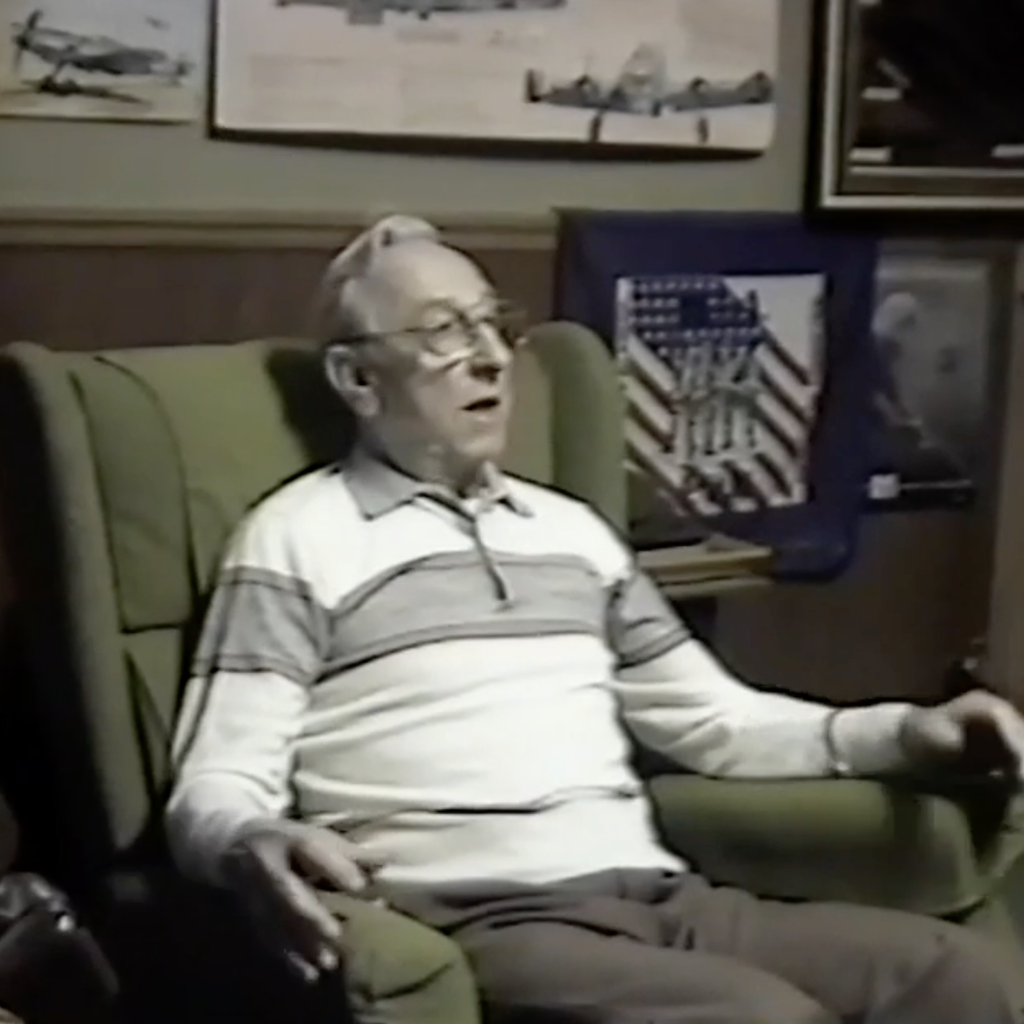

Lee Kessler
Technical Sergeant, 8th Air Force Division, 306th Bomb Group, 368th Bomb Squadron
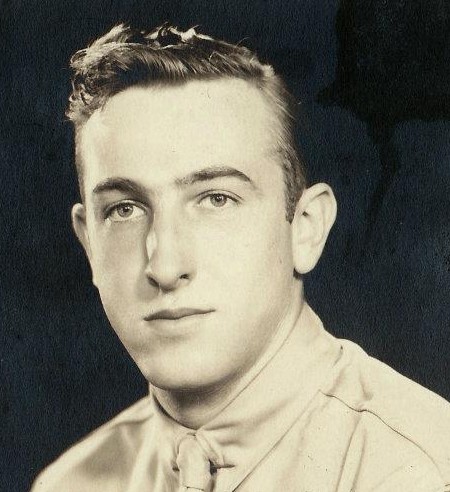
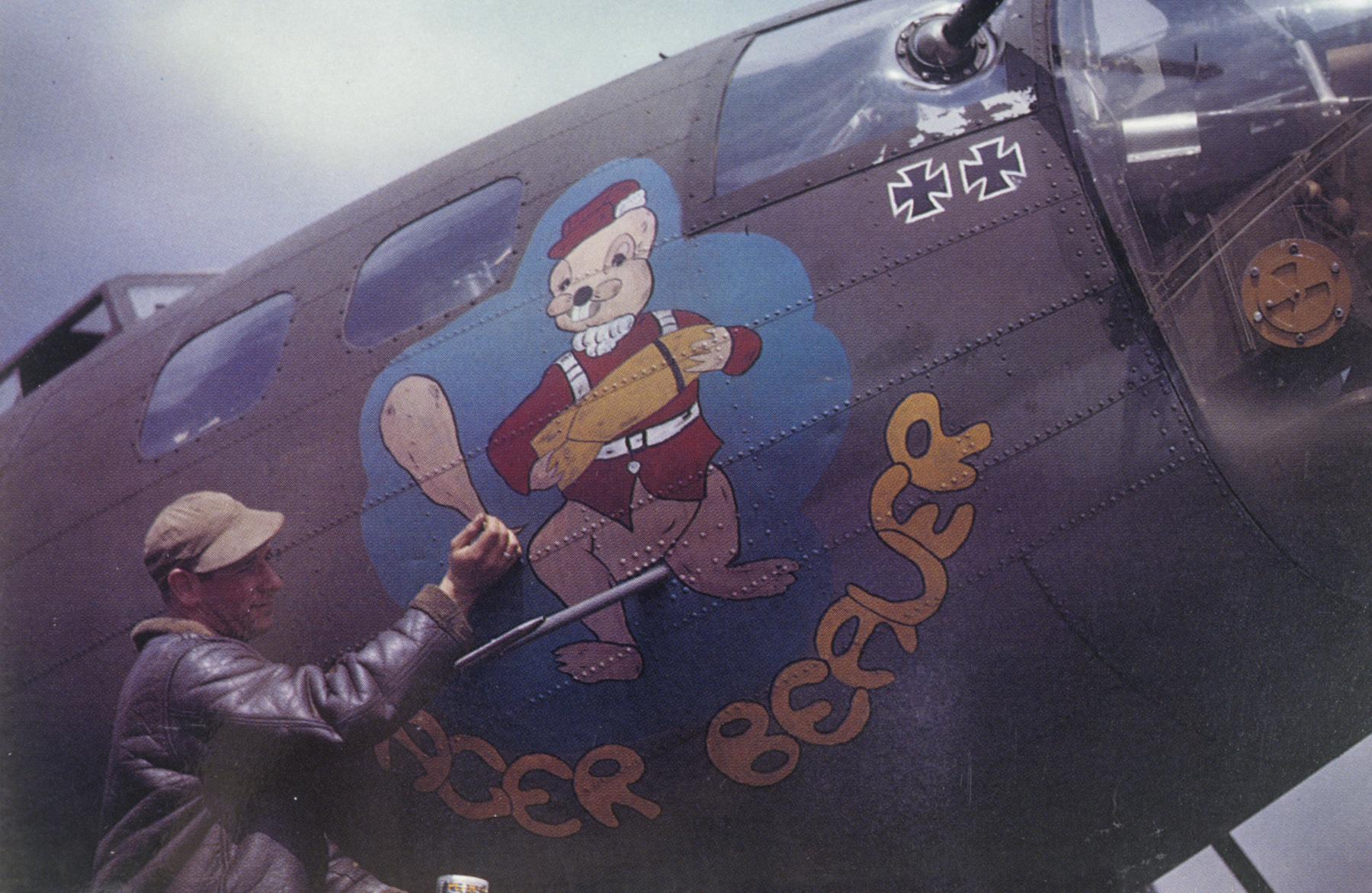
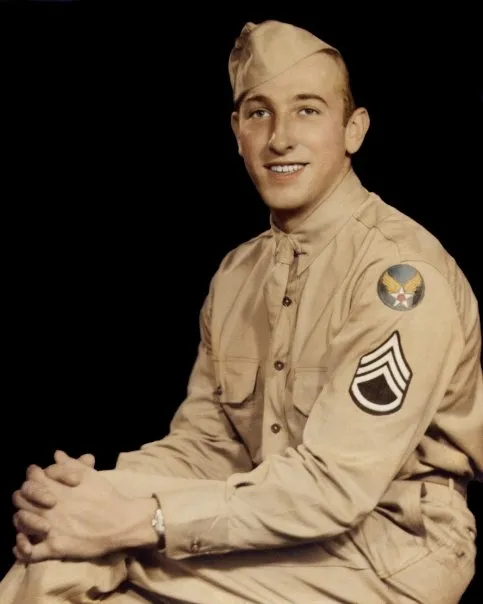
Born and raised in Canton, Ohio, Leland “Lee” Kessler grew up with a passion for art and aviation. He joined the Army Air Corps at the onset of World War II. He trained to be a gunner and flew 18 missions in the European Tour of Operations before he was shot down by a monoplane fighter aircraft over Wilhelmshaven, Germany on his 19th raid. He acted heroically getting other crewmen out of the stricken plane. Kessler was captured immediately and taken to Wilhelmshaven Naval Base. He spent 9 days at Dulag Luft Interrogation Center before he was sent to two different prisoner-of-war camps, first Stalag 7A Moosburg in Moosburg, Germany then Stalag 17B in Krems, Austria. Kessler was then forced to march west before he was liberated in the woods by a tank division of Patton’s 3rd Army on May 2, 1945. (Canton Museum of Art)
The Photograph by Lee Kessler
As the Russians advanced through Hungary and approached the Danube River in late March of ’45, the Germans evacuated our prisoner of war camp and marched us toward the west. We marched past a place called Mauthausen. A group of prisoners from the concentration camp was coming down the road. They were Hungarian Jews, guarded by the SS. We were halted at the side of the road for these walking skeletons to pass, but when they came even with us their guards stopped them. One of our guys threw a cigarette toward them. They mobbed toward it, like a pack of hungry dogs. The SS beat them back.
A spectacle was made for our benefit of one who was too weak to get up. As we moved on we heard pistol shots, and we knew what they were for. All those who fell from exhaustion and could not get up were shot. Two prisoners fol-lowed in a wagon and loaded the bodies.
As I came upon one of the bodies at the side of the road, I noticed a crinkled photograph near his hand. He lay with one arm stretched out, as if reaching for the picture. He had been shot in the head. I moved off the road to get a better look at the photograph and was about to pick it up when a guard hollered for me to get back.
The picture was of a woman and two children. As I looked back, a butterfly landed on the man.
During the rest of the march, I thought about this man, dead by the side of the road. Probably the last thing he looked at was this picture of his family—all he had left. And where were they? Dead or in some other camp, I guessed.
Some time in the fifties I started my drawing, but finally put it away because I felt no one would understand what I was trying to portray. It lay in a drawer until two years ago. Then at a prisoner of war convention, I heard another POW being interviewed. He told a story about how he saw a man, who was lying on the ground, pull a picture from his pocket. As the man kissed the photograph, the guard shot him.
–Flares of Memory: Stories of Childhood During the Holocaust
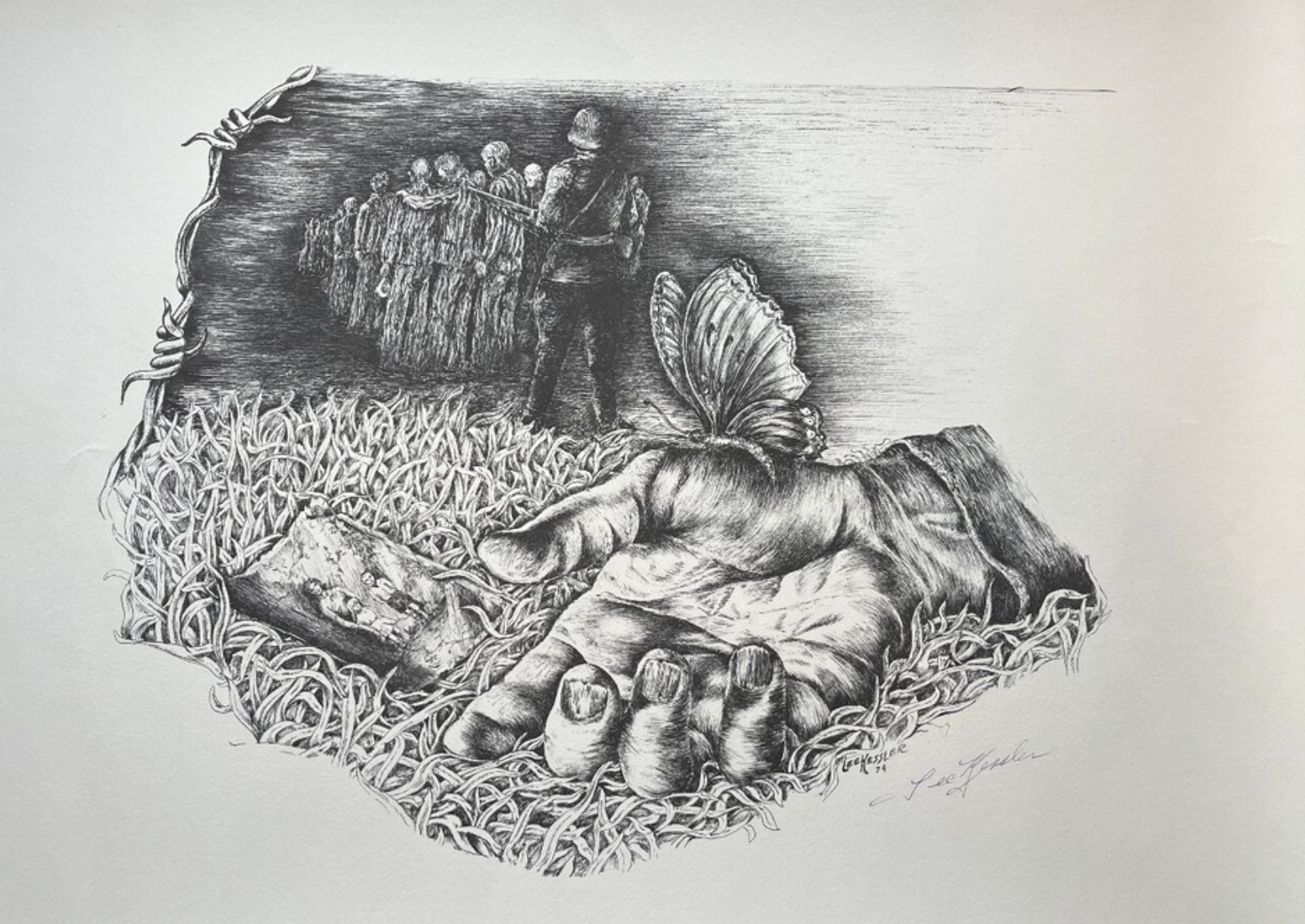
The Hand by Lee Kessler
Pen and ink reproduced by lithography on display at the Holocaust Center of Pittsburgh’s “Revolving Doors” exhibit
Printed by Yoder and Armstrong in East Landsdowne, Pennsylvania
Artist’s Statement: “With the onslaught of the Russian advance through Hungary and the approach toward the Danube River in late March of 1945, the Germans evacuated our camp and put us on the road marching toward the west. After a couple of weeks on the road, we were marching past a place called Mauthausen. We learned it was a concentration camp, although at the time we knew little about them. Approaching us from down the road, a group of these prisoners from this camp, who we learned later were working in a quarry. They were Hungarian Jews and were guarded by the SS. We were halted at the side of the road for these walking skeletons to pass, but when they came, even with us, their guards stopped them. One of our guys threw a cigarette over towards them which was a mistake as they were like a pack of hungry dogs. The SS beat them back and one who was too weak to get up was made a spectacle for our benefit.
As we moved on we heard shots, mostly pistol, and we knew what they were for. Those who could not get up because of weakness were shot. Two prisoners followed in a wagon and loaded the bodies. As I approach one of the bodies at the side of the road, I noticed a crinkled photograph by his hand. As he lay with on arm stretched out as if reaching out for the picture, I saw that he had been shot in the head. I moved off the road to get a better look at the photograph and was about to pick it up when a guard hollered for me to get back.
The picture was of a woman and two children. As I looked back, a butterfly landed on him. I was numb the rest of the march. Here was this man, dead by the side of the road, probably the last thing he looked at was his family, a photo which was his only possession, and where were they? Dead or in some other camp. At that moment I could only think that everyone has the right to die with dignity and here was this poor soul who died with such obscurity.
Some time in the 1950s, I started and outlined the drawing but finally put it away as I felt no one would understand what I was trying to portray. Then 20 years later after a severe heart attack and out of intensive care recovering, I needed some form of therapy, and at the suggestion of a nurse who knew me and my association with art, I had my wife hunt for the layout, bring me my ink and pens, and with the encouragement of the staff, I finished the picture.
Like other pictures, I put it away and until two years ago it lay in a drawer. I still felt that no one but me could really understand it. Then at the POW Convention when another POW was being interviewed, he related a story of how he saw this man lying on the ground, pull a picture from his pocket and as he kissed it, and the guard shot him.”